
You run the Silver Lake loops, hit the box at 6 a.m., rehearse until your feet ache, or play pickup games every weekend. Then something starts to hurt, and suddenly you are told to rest, ice it, and wait. That is not the plan you signed up for.
If you are an active adult or athlete in Los Angeles, you want more than pain relief. You want to get back to your sport, stay there, and ideally leave your old limits behind. This guide explains how performance and running physical therapy works, what to look for in a clinic, and how to start the process the right way.
Why Generic Physical Therapy Falls Short for Los Angeles Athletes
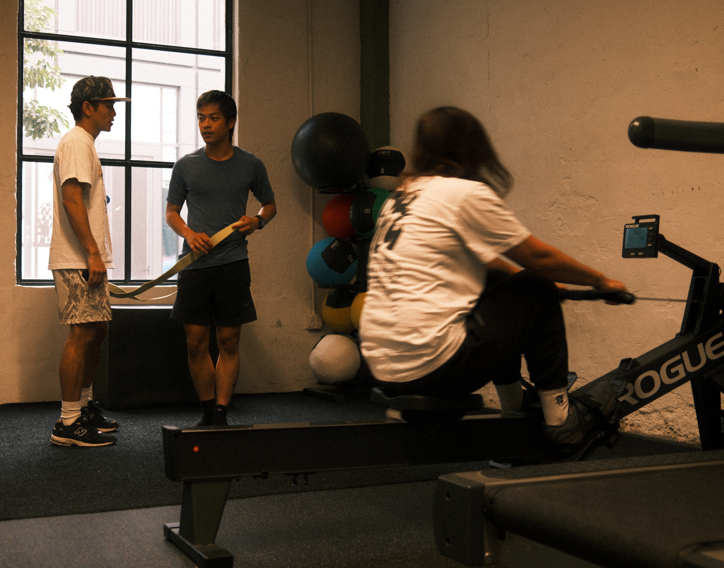
Many athletes walk into a busy clinic expecting a plan built around their goals. What they often get is a rushed visit, a handout of generic exercises, and time split between several staff members. It is frustrating when your training identity is a core part of who you are.
Traditional models tend to focus on getting you to pain-free for daily life. That is a valid goal, but it is not the finish line for someone who sprints, jumps, lifts, or logs weekly mileage. Your tissues need to handle the demands of your sport, not just a walk to the car.
Here is where generic care commonly misses the mark:
Treating the sore spot without examining the movement pattern that overloaded it
Rotating providers who do not know your history or goals
Returning you to activity without objective testing
Stopping care at pain relief, with no plan for building capacity or preventing reinjury
You deserve a process that looks at the whole picture and respects how hard you train.
What Is Performance Physical Therapy and Who Is It For?
Performance physical therapy bridges rehabilitation and sports performance. Instead of asking only how to calm symptoms down, it also asks what your body needs to do at full speed and how to build toward that.
This approach is a strong fit for runners, CrossFitters, dancers, basketball players, and weekend warriors. It also works for active adults who simply want to keep training without recurring setbacks.
How It Differs From Traditional Rehab
Traditional rehab often ends when pain settles. Performance-based care continues through strength, power, mobility, and neuromuscular control until you can meet the full demands of your activity. Research on exercise-based rehabilitation supports this kind of progressive loading for many musculoskeletal problems, including tendon and overuse injuries.
At Dang Physical Therapy in the Arts District, therapeutic exercise, strength and conditioning principles, and plyometric progressions sit alongside hands-on care. The aim is to help you come back more capable than before.
Why a Full-Body Assessment Matters
Pain in one area is often connected to something happening elsewhere. A stiff ankle can change how your knee tracks, and limited hip control can load your low back. A comprehensive root-cause assessment looks at your movement, strength, mobility, and training habits together so treatment is not limited to the sore spot.
Tools such as a movement screen and a functional movement assessment help identify these patterns early, so your plan targets what is actually driving the problem.
How Running Physical Therapy Works
Los Angeles is a running city. Beach paths, canyon trails, and river routes make it easy to build volume, and that volume is exactly why overuse injuries are so common. Running puts repeated load through your feet, shins, knees, hips, and spine, so small inefficiencies can add up over thousands of steps.
Running physical therapy combines injury treatment with an analysis of how you move when you run. The goal is not just to calm symptoms but to help you run well and keep running.
What Happens During a Running Gait Analysis
A running gait analysis examines how you move while running, including foot strike, cadence, trunk position, hip and pelvis control, and how each side shares the load. It is paired with a running form assessment so your clinician can connect what they see in your stride to your strength and mobility findings.
Research shows that gait retraining can reduce pain in runners with certain conditions, such as patellofemoral pain. That does not mean everyone needs a new running style. It means your form is worth examining, and any changes should be guided by your findings and your goals.
How to Return to Running After an Injury
Coming back too fast is one of the most common ways runners end up injured again. A sport-specific return-to-running plan builds you back in stages, with load increases tied to how your body responds.
A typical progression may include:
Restoring pain-free motion and baseline strength
Building single-leg strength and control
Adding impact through low-level plyometrics
Introducing run-walk intervals, then continuous running
Layering in speed, hills, and race-specific work as you tolerate it
Your plan is adjusted as you go, so it fits your training calendar rather than a generic timeline.
What Makes Dang Physical Therapy Different
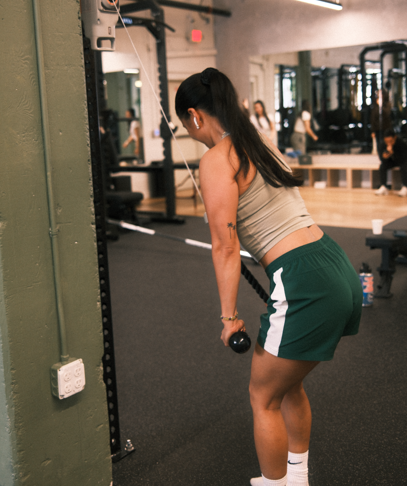
The way care is delivered matters just as much as the techniques used. Dang Physical Therapy was built for people who want expert attention and a performance-focused path forward.
One-on-One Care With the Same Doctor of Physical Therapy
Every session is exclusive one-on-one time lasting 60 minutes with the same Doctor of Physical Therapy, from your first visit through discharge. There are no techs and no rotating providers.
That consistency means your clinician knows your history, notices small changes, and can progress your program with precision. You never have to repeat your story.
Direct Access to Your Clinician Between Sessions
You get 24/7 direct access to your clinician through text or messaging. If a question comes up after a long run or a tough training day, you do not have to wait until your next appointment to get guidance.
Weekly Updated Exercise Programming
Your exercise programming is updated weekly and delivered through a personalized app. As your strength, mobility, and tolerance change, your plan changes with them, so you are always working at the right level.
Telehealth Virtual Visits
Telehealth virtual physical therapy visits are available, which helps when you are traveling, managing a busy schedule, or want to check in on your progression from home.
How to Know You Are Ready to Return to Sport
Feeling better is not the same as being ready. Pain often fades before strength, control, and confidence are fully restored, which is one reason reinjury is common after a rushed return.
Objective testing gives you and your clinician clearer answers. Depending on your needs, testing may include:
Isokinetic or dynamometer testing to measure strength and compare one side to the other
Movement screens and functional movement assessment to check quality of movement under load
Return-to-sport testing to evaluate how you handle hopping, cutting, landing, and sport-specific demands
These results help guide when to progress, what to keep working on, and when you are truly prepared to return. That is especially important after significant injuries such as ACL tears, where meeting objective strength and function criteria is linked to better outcomes.
Injuries That Performance and Running Physical Therapy Can Address
Active people tend to encounter a similar group of problems. Dang Physical Therapy treats a wide range of orthopedic and sports conditions, with a strong focus on those that interrupt training.
Common Running Injuries
Runner's knee (patellofemoral pain)
IT band syndrome
Shin splints
Achilles tendinopathy
Plantar fasciitis
Hamstring strain
Groin pain
Common Injuries in Athletes and Weekend Warriors
Ankle sprains
Hip pain, hip impingement (FAI), and labral tears
Meniscus injuries and ACL injuries
Shoulder pain, rotator cuff pain, and shoulder impingement
Tennis elbow and golfer's elbow
Overuse injuries and general tendinopathy
Spine and Other Concerns
Low back pain, mid back pain, and neck pain
Sciatica
Arthritis
If your issue is not listed, a free consultation is a good way to find out whether your goals are a fit for the clinic.
Treatments That Support Your Recovery and Training
Your plan is built around active work, supported by hands-on care and recovery tools when they help you move better.
Therapeutic exercise and strength building to improve capacity and tissue tolerance
Neuromuscular re-education to retrain how your muscles fire and coordinate
Balance and proprioception training to improve control and stability at the ankle, knee, and hip
Plyometrics and return-to-sport progressions to rebuild speed, power, and landing mechanics
Blood flow restriction (BFR) to build strength with lighter loads when heavy lifting is not yet appropriate
Manual therapy, joint mobilization, soft tissue mobilization, myofascial release, and trigger point therapy to improve motion and reduce tension
Assisted stretching, massage therapy, and compression therapy to support recovery between training sessions
Blood flow restriction training has been studied as a way to improve muscle strength and size using low loads, which can be useful after injury or surgery. Your clinician determines whether it is appropriate for your situation.
You can explore the full range of care on the Dang Physical Therapy services page or learn more about the clinic on the about page.
How to Get Started With Physical Therapy in Los Angeles
Starting is simpler than most people expect.
Do You Need a Physician Referral?
No. Under California Direct Access, you can begin physical therapy without a physician referral for up to 12 visits or 45 days, whichever comes first. This lets you act on pain or an injury right away instead of waiting for a separate appointment.
What Is the First Step?
Book a free 15-minute virtual consultation with a Doctor of Physical Therapy. You can talk through your symptoms, your training, and your goals, and ask questions about how care works before you commit.
Where Is the Clinic?
Dang Physical Therapy is located in the Arts District of Los Angeles, in a space designed for active, high-performing clients. If you cannot make it in person, telehealth visits are available.
Ready to Get Back to Peak Performance?
You do not have to settle for passive recovery or a rushed appointment. With one-on-one sessions, a full-body assessment, running gait analysis, and a plan that evolves each week, you can rebuild with purpose and keep your training moving forward.
Book your free 15-minute virtual consultation with Dang Physical Therapy today and take the first step toward performance and running physical therapy in Los Angeles that matches your ambition. You can also visit the Dang Physical Therapy home page or browse more guides on the Dang PT blog.