
How Long Until Physical Therapy Works? A Guide for High-Performance Athletes in Los Angeles
When you are an athlete or a dedicated mover in Los Angeles, your physical identity is tied to your performance. Whether you are training for the LA Marathon, competing in a local CrossFit throwdown, or staying sharp on the tennis court, an injury feels like a major roadblock. The first question we hear most often at Dang Physical Therapy is: "How long until I'm back to 100%?"
It is a valid question. You have goals, training blocks, and competitions that do not wait for anyone. Recovery, however, is not a race. It is a strategic process that requires patience, precision, and a deep understanding of human biology. While every body responds differently, there are foundational timelines and key factors that determine how quickly you can bridge the gap from recovery to elite performance.
Factors That Shape Your Physical Therapy Timeline
Not all injuries are created equal. Several variables influence how quickly you will see results from running physical therapy in Los Angeles and how soon you can return to high-intensity training.
Severity of the injury: A minor Grade I ligament sprain heals much faster than a Grade III tear involving significant instability or surgical intervention.
Tissue type and blood supply: Muscles have excellent blood flow and tend to heal faster than tendons or ligaments, which require specific loading protocols to remodel effectively.
Consistency and adherence: Recovery does not only happen during your sessions at Dang Physical Therapy. It happens in the daily choices you make. Sticking to your customized exercise plan and following load management guidance are the biggest accelerators of progress.
Your performance goal: If the goal is to walk without pain, the timeline is shorter. If the goal is to return to sprinting, jumping, or heavy lifting, the process takes longer because your body must be prepared to handle significantly higher forces.
Acute Injuries: Timelines for Sprains and Strains
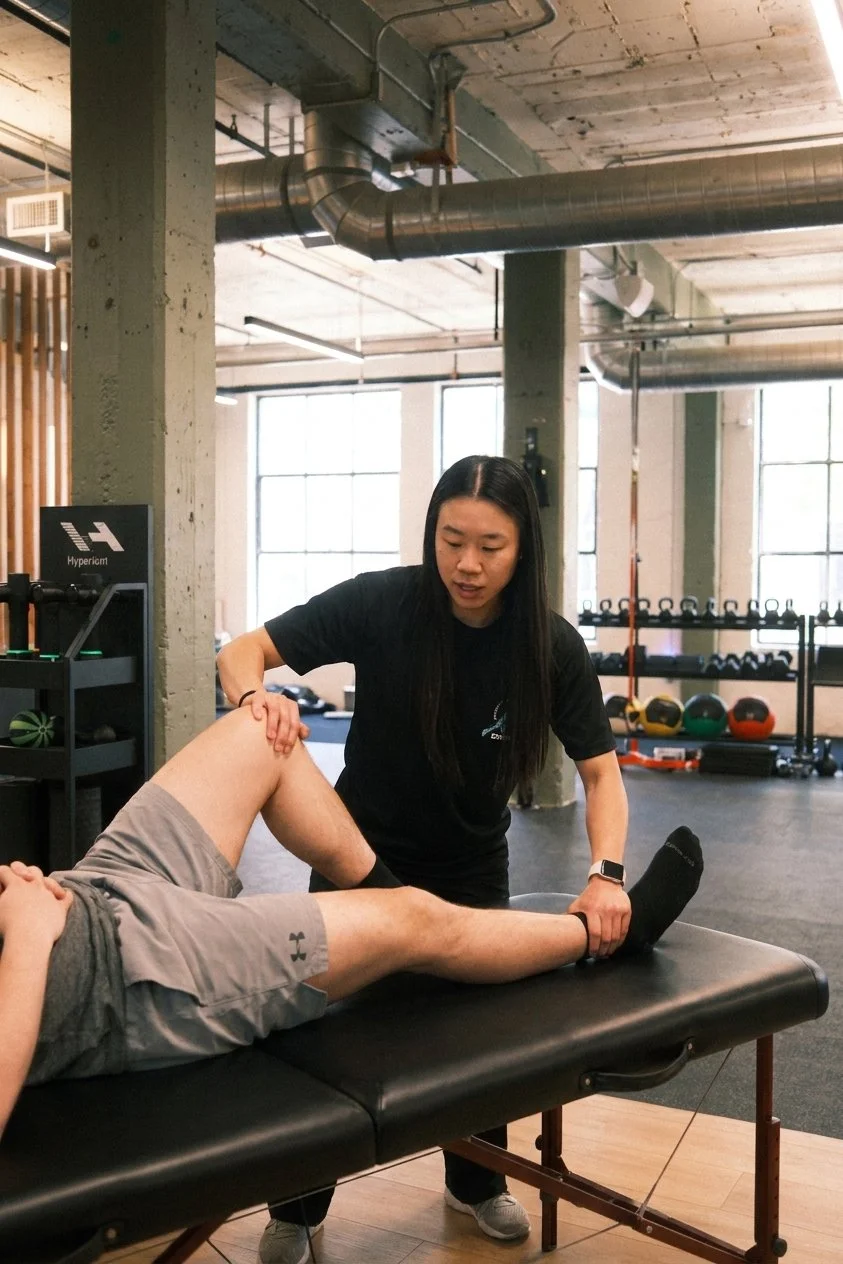
If you experienced a sudden "pop," "snap," or sharp tweak, you are likely dealing with an acute injury. For athletes, these most commonly involve ligament sprains such as ankle or knee injuries, or muscle strains such as hamstring or calf tears.
For Grade I injuries, where tissue damage is minimal and the joint remains stable, significant relief is often felt within two to four weeks. Functional recovery for sport, however, typically requires four to six weeks of targeted strengthening to ensure the area can tolerate explosive movement.
Grade II injuries involve moderate tearing and some instability. A structured, performance-based approach is essential here. Basic functional recovery generally takes four to eight weeks, while a full return to high-speed or contact athletics often requires eight to twelve weeks. Grade III injuries are more complex and frequently require three months or more of intensive rehabilitation to restore the structural integrity needed for sports performance.
Chronic Pain: Tendinopathy and Overuse Injuries
Chronic issues such as Achilles tendinopathy, runner's knee, IT band syndrome, and plantar fasciitis are among the most frustrating for athletes because they tend to linger. These are rarely pure inflammation problems. They are load management and tissue capacity problems. Because they involve remodeling stubborn tendon tissue, timelines are typically longer, ranging from six to twelve weeks or more.
At Dang Physical Therapy, the focus is not only on the symptom but on the root cause. For athletes seeking running physical therapy in Los Angeles, this often means a detailed running gait analysis or running form assessment to identify exactly why certain tissues are being overloaded. By correcting biomechanics and applying progressive loading through therapeutic exercise, the goal is not to mask pain but to build a more resilient system capable of handling the miles ahead.
Post-Surgical Rehabilitation: What to Expect
If you have undergone surgery, such as an ACL reconstruction or a rotator cuff repair, your timeline is governed by both biological healing and surgical protocols. Recovery is measured in months, not weeks.
The early phase focuses on protection and reducing swelling. As rehabilitation progresses into the strengthening phase, the priority at Dang Physical Therapy shifts toward restoring power and neuromuscular control through targeted exercise and blood flow restriction (BFR) training. A full return to high-level performance typically takes nine to twelve months.
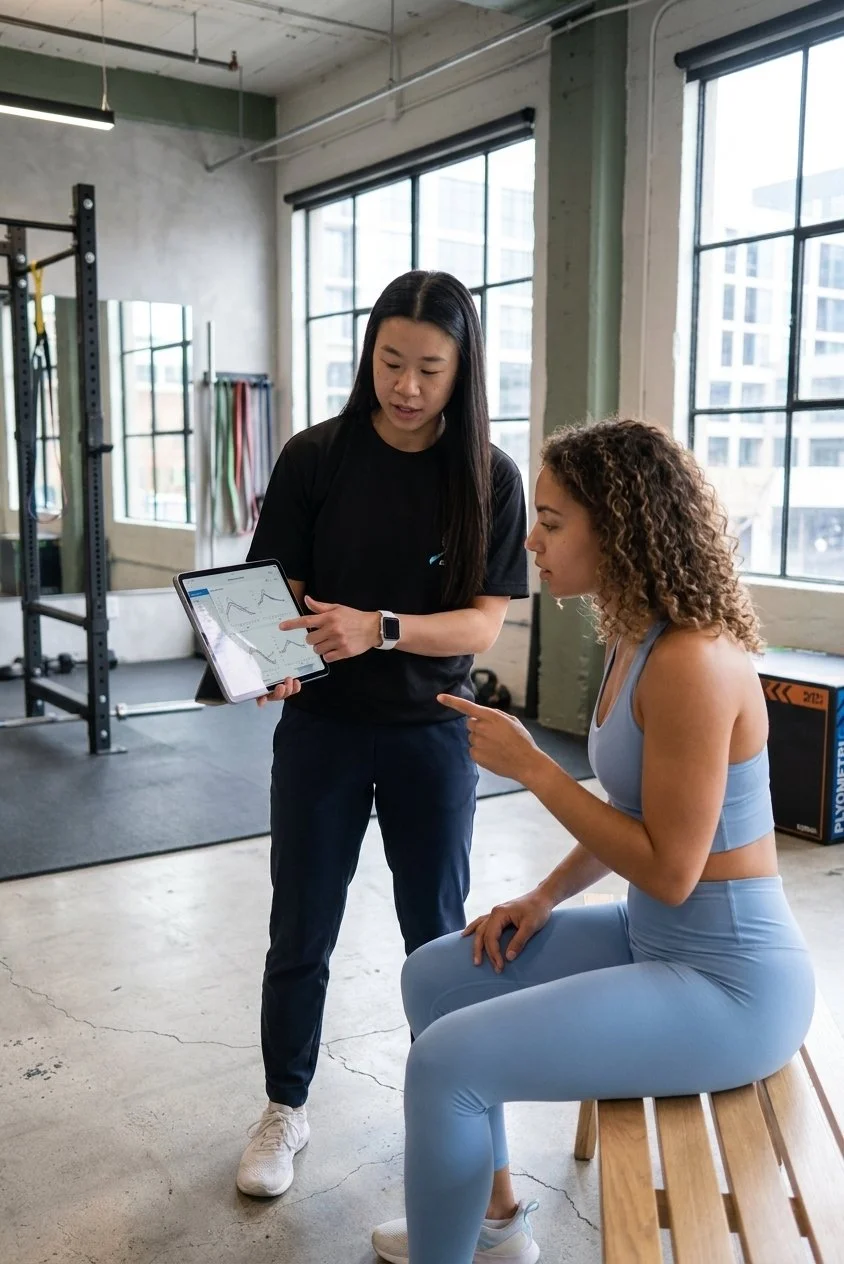
This process requires a data-driven approach. Isokinetic and dynamometer testing provides objective metrics to confirm that strength is symmetrical and sufficient before you return to the field, the track, or the gym. Return-to-sport testing ensures that the decision to clear you is based on measurable outcomes, not guesswork.
A Performance-Based Approach to Recovery
Dang Physical Therapy operates on a model built for athletes who refuse to settle for average outcomes. Every session is structured to deliver focused, individualized care that moves you forward.
One-on-one sessions: Each 60-minute session is spent entirely with a Doctor of Physical Therapy, allowing for continuous assessment and real-time adjustments to your plan of care.
Objective performance testing: Tools such as running gait analysis, functional movement assessments, and dynamometer testing replace guesswork with precise, actionable data.
Comprehensive treatment options: From manual therapy and myofascial release to plyometrics and return-to-sport progressions, the full range of treatments is tailored to where you are in your recovery and where you need to go.
Prehab and injury prevention: For athletes not currently injured, movement screens and strength and conditioning programming help identify vulnerabilities before they become setbacks.
Your Path Back Starts Here
Recovery is an investment in your future performance. Rushing back without the proper foundation is the fastest way to find yourself sidelined again. Whether you are managing a fresh injury or a chronic issue that has held you back for months, you deserve a plan that is as ambitious as your goals.
At Dang Physical Therapy, the focus is on bridging the gap between pain-free and performance-ready. If you are ready to stop guessing and start following a clear, data-driven path back to your sport, reach out today to schedule your consultation.